
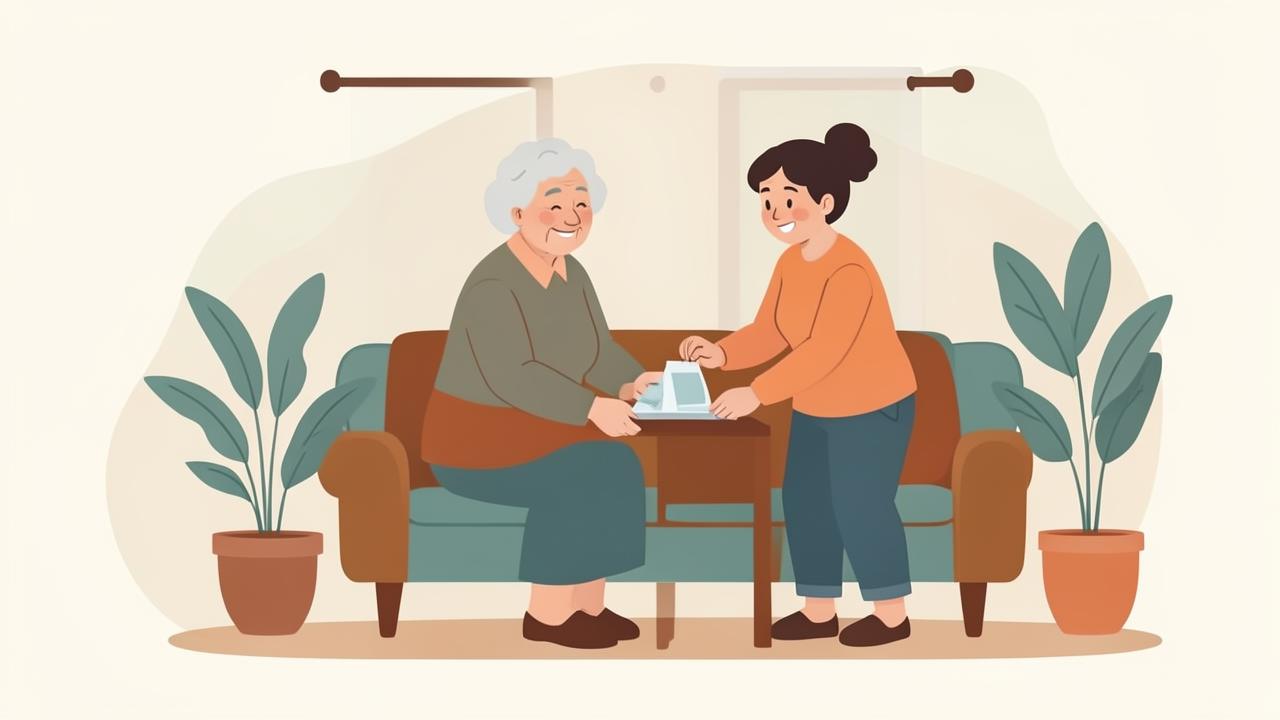
Most families do not decide on home care during a calm week. The decision usually arrives after a fall, a missed medication, or a hospital discharge that no one felt ready for. The earlier signs are quieter, and recognizing them gives you time to plan instead of react.
1. Daily routines are slipping
Bathing, dressing, and grooming take longer or get skipped. Laundry piles up. The refrigerator holds expired food or very little food at all. None of these alone is an emergency, but together they describe a day that has become harder to manage alone.
A few hours of scheduled support each week is often enough to restore the routine before it collapses.
2. Medications are inconsistent
Look for pills left in the organizer at the end of the week, duplicate bottles from different pharmacies, or refills that arrive far later than they should. Medication errors are one of the most common reasons older adults return to the hospital within 30 days.
3. Mobility has changed
Furniture used as handrails, avoiding stairs, sleeping in a recliner instead of a bed, or new bruises with vague explanations all point to reduced steadiness. An aide present during the highest-risk parts of the day - early morning and evening - reduces exposure quickly.
4. The primary caregiver is exhausted
Family caregivers often reach their limit before the person receiving care does. Missed work, disrupted sleep, canceled appointments of their own, and short tempers are signals worth taking as seriously as any clinical change.
5. Isolation has set in
Fewer phone calls, dropped hobbies, and days without leaving the house affect both mood and cognition. Companion care exists precisely for this: presence, conversation, errands, and a reason to keep the day structured.
How to start without over-committing
You do not need to begin with full-time coverage. Start with an assessment, choose the two or three hardest hours of the week, and adjust from there. A good plan is written down, shared with everyone involved, and revisited as needs change.
- Request a no-cost in-home assessment
- Name one decision-maker and one backup
- Write the daily routine down for the aide
- Re-evaluate the plan every 60 to 90 days
Key takeaways
- Early signs are practical, not dramatic - routines, medications, steadiness.
- Caregiver burnout is a clinical risk factor for the person receiving care.
- Starting small and reassessing beats waiting for a crisis.
This article is general information and is not a substitute for individualized medical advice. Please speak with a licensed clinician about your specific situation.